Engineering-Led System Design
System layout and component selection shaped by roof, load, and site conditions — not a one-size catalog pick.
Professional solar installation solutions designed to help homeowners and businesses reduce electricity costs, improve energy resilience, and build long-term value into their property.
Shop Solar EquipmentClear design, professional installation, and support after commissioning — without unverified savings claims.
System layout and component selection shaped by roof, load, and site conditions — not a one-size catalog pick.
Panels, inverters, and storage specified from established manufacturers when they fit the project.
Engineering-led planning, installation, testing, commissioning, and turnover by the project team.
Monitoring, maintenance coordination, and warranty guidance after commissioning, as included in the project scope.
Professional system design shaped by property conditions and electricity needs.
Quality-focused implementation, testing, commissioning, and turnover.
Component planning around reliable panels, inverters, mounting, protection, and monitoring.
Clear proposal, scope, system economics, and next steps before installation.
Post-installation customer care, service coordination, and performance follow-up.
Solar support beyond installation, from handover to future service needs.
Selected Solarlys equipment and solar packages. The full catalog stays on the Marketplace. Selected items only — the full catalog stays on the Marketplace.
Jinko
₱6,600.00
In stock
Solis
₱50,600.00
In stock
Solarlys
₱118,800.00
In stock
Solarlys
Battery
₱122,100.00
In stock
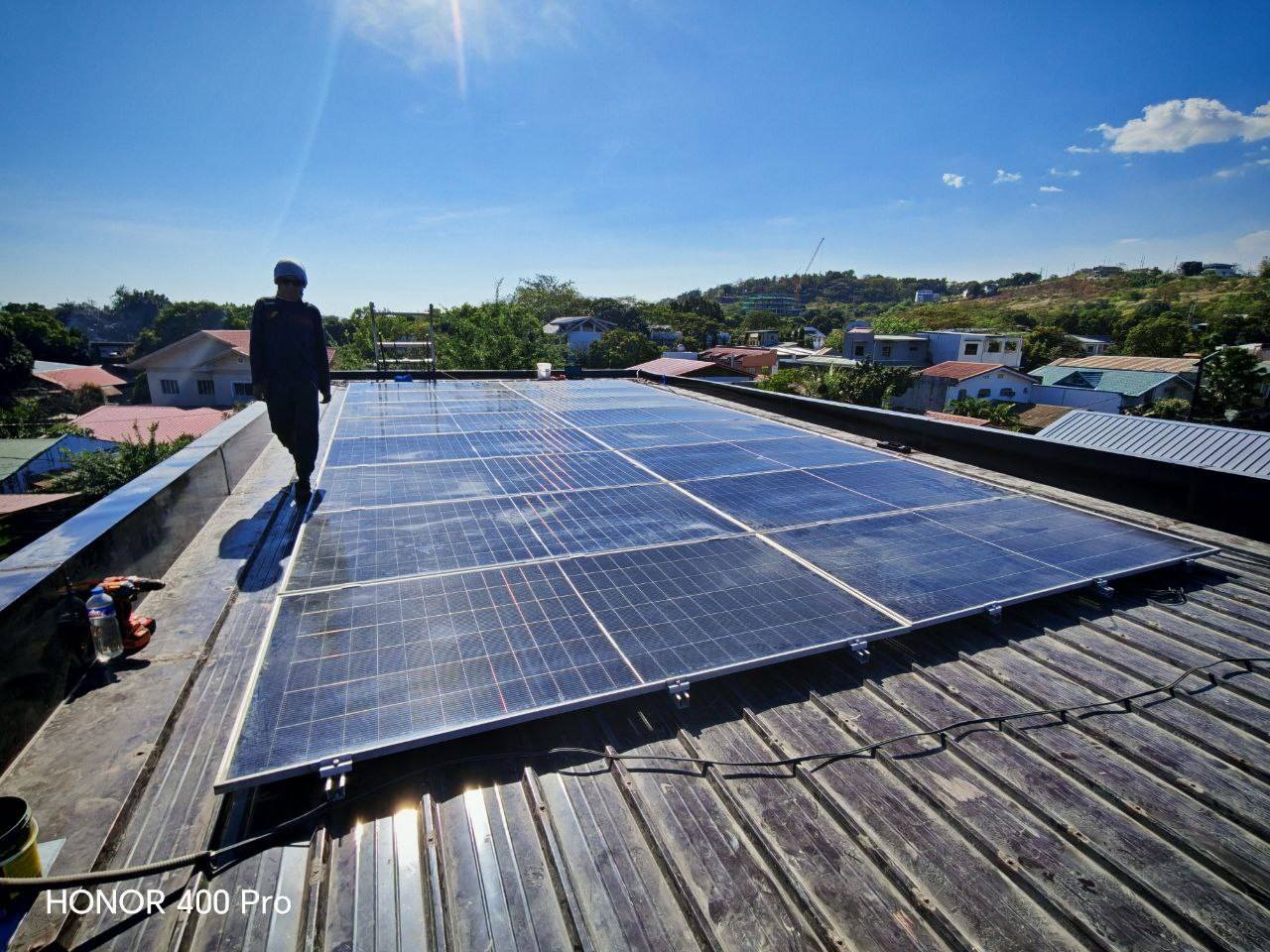
A professionally designed system planned around your roof, electricity use, and whether battery backup is appropriate for the site.
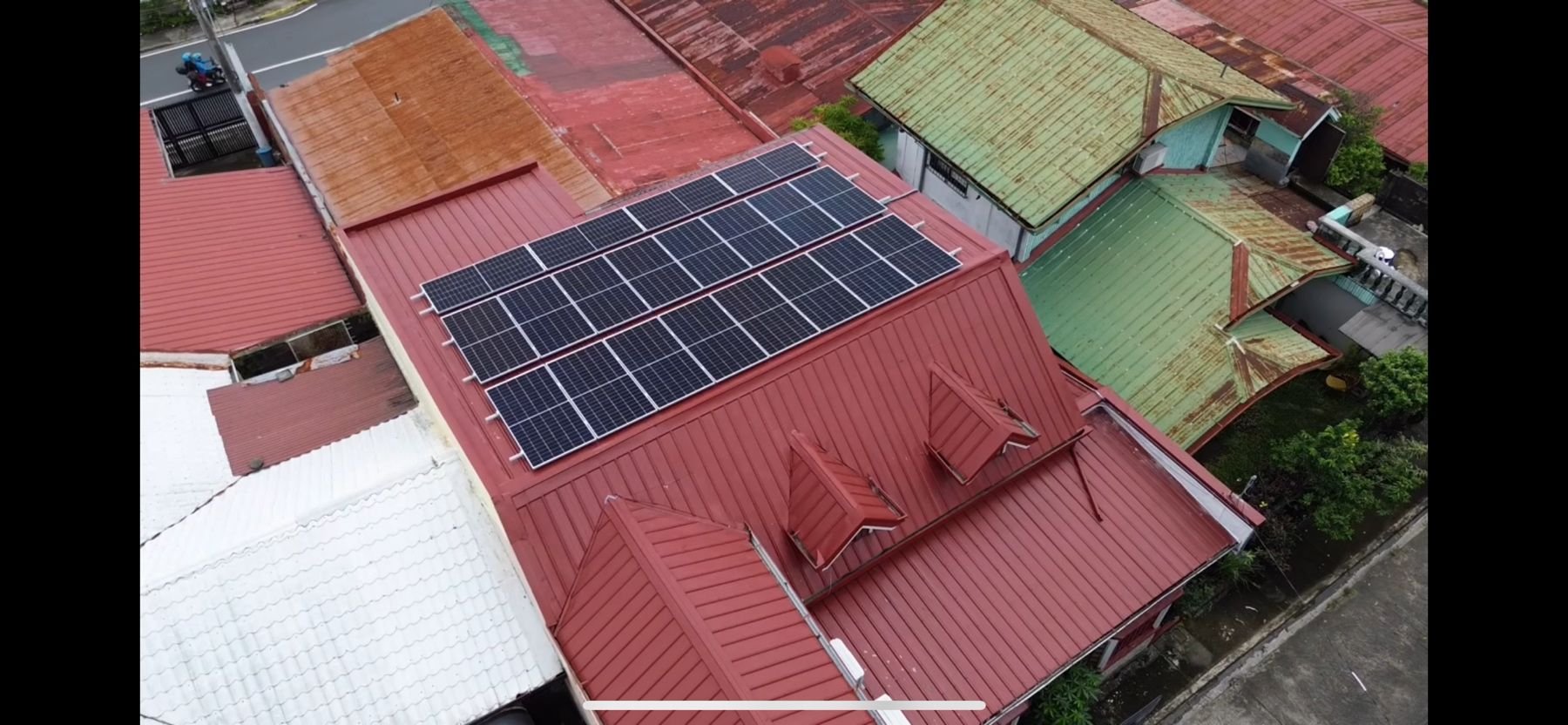
Commercial solar can generate energy on-site and support long-term cost planning. Outcomes depend on load, roof, and approved engineering scope.
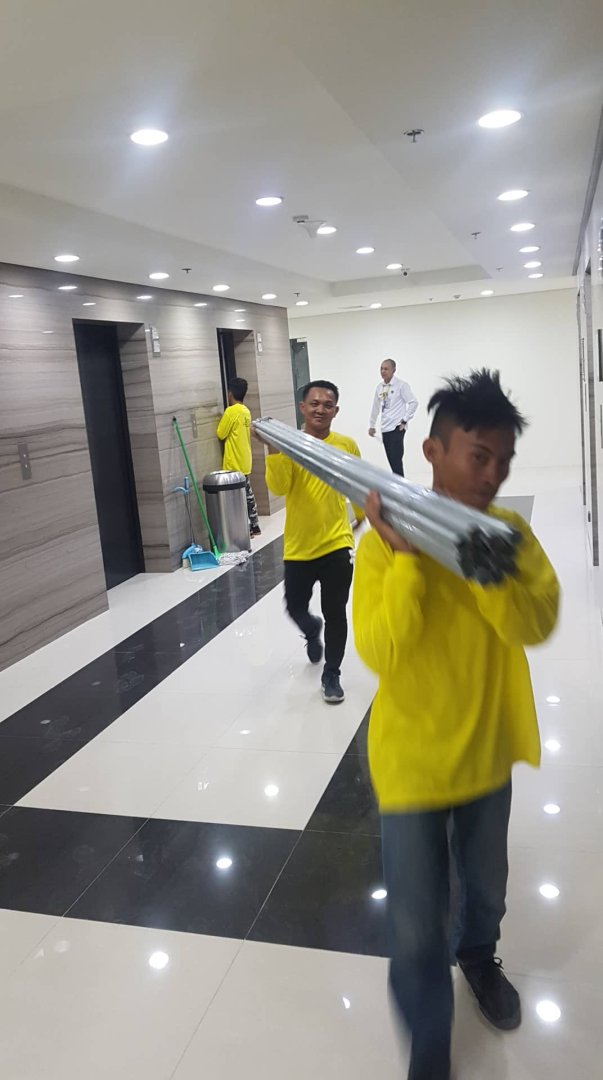
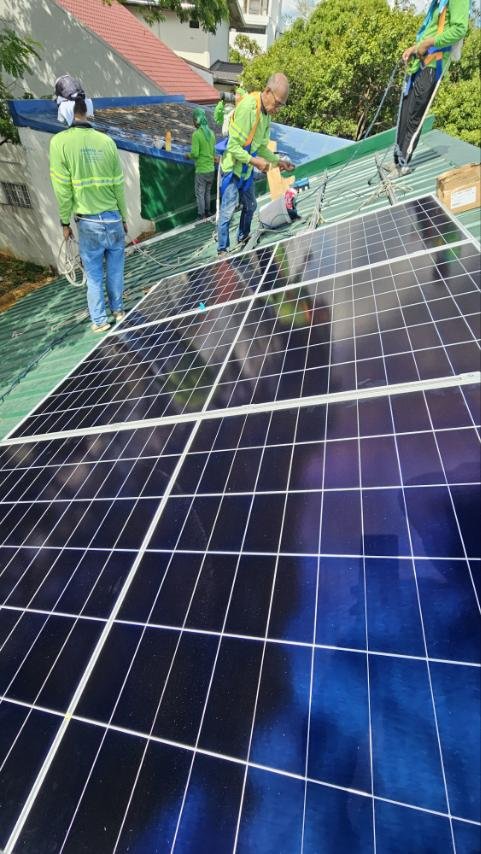
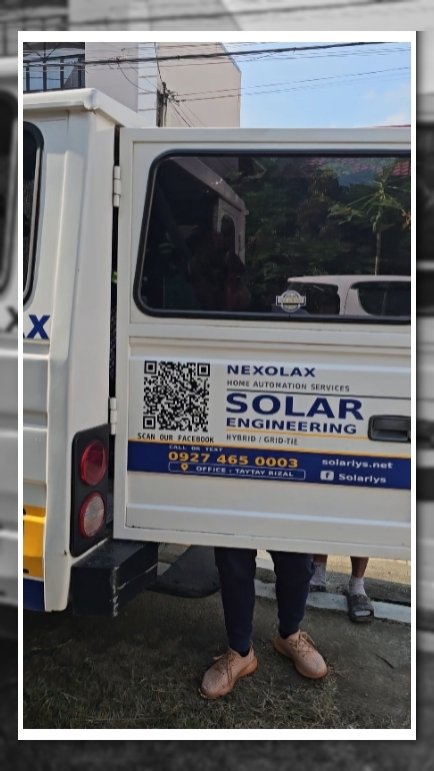
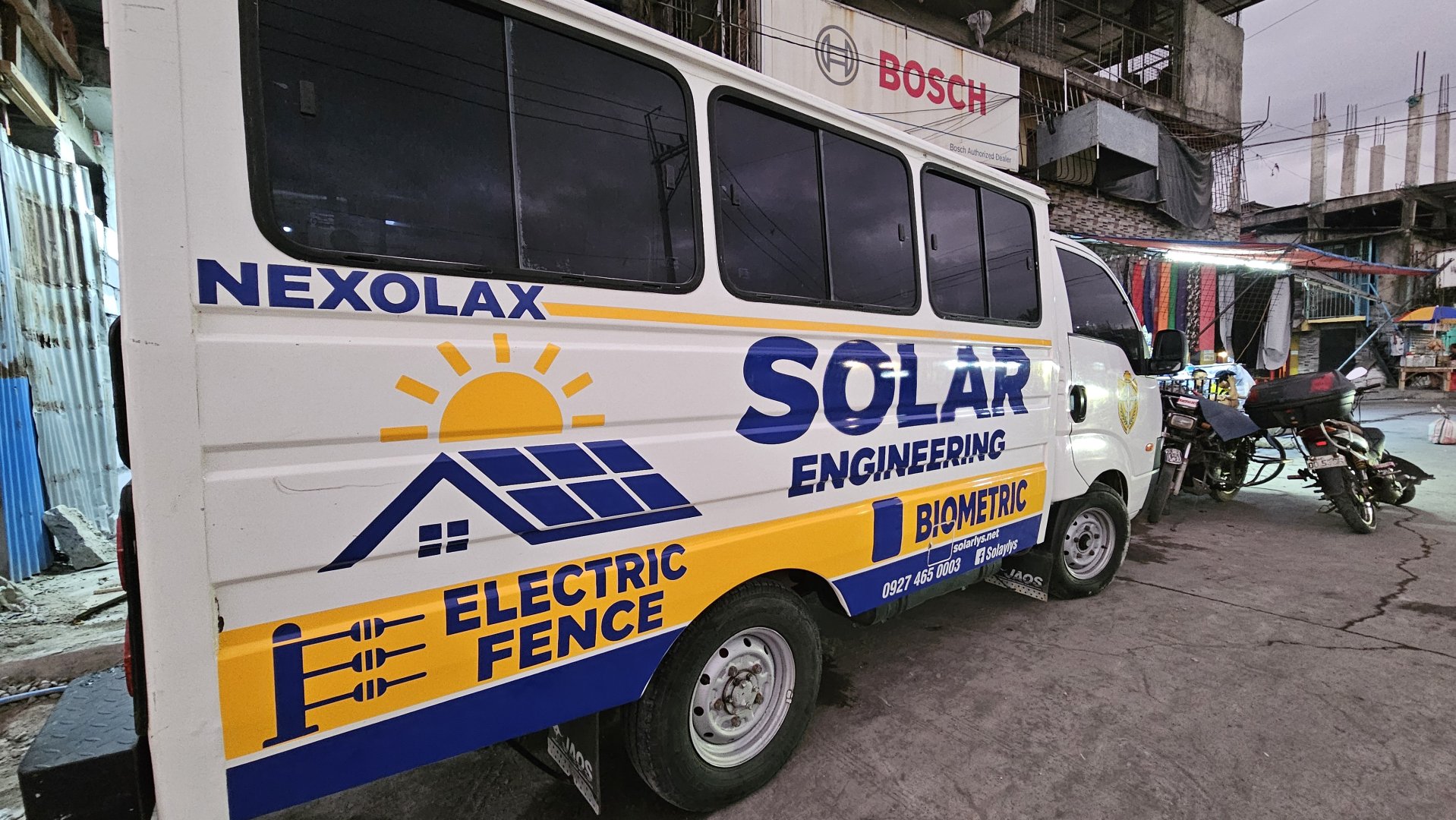
Selected completed installations from the public gallery. Capacity and equipment details appear only when they are recorded with the photo. Private customer names and street addresses are not published here.
Completed installation
Philippines solar installation
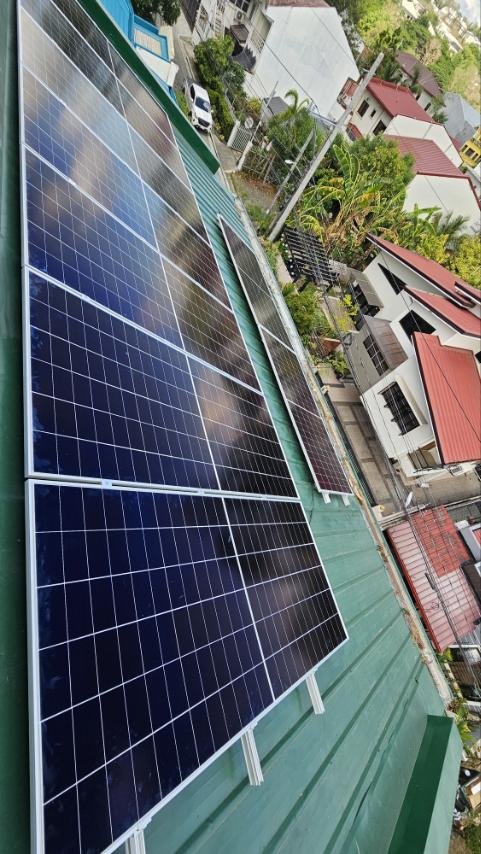
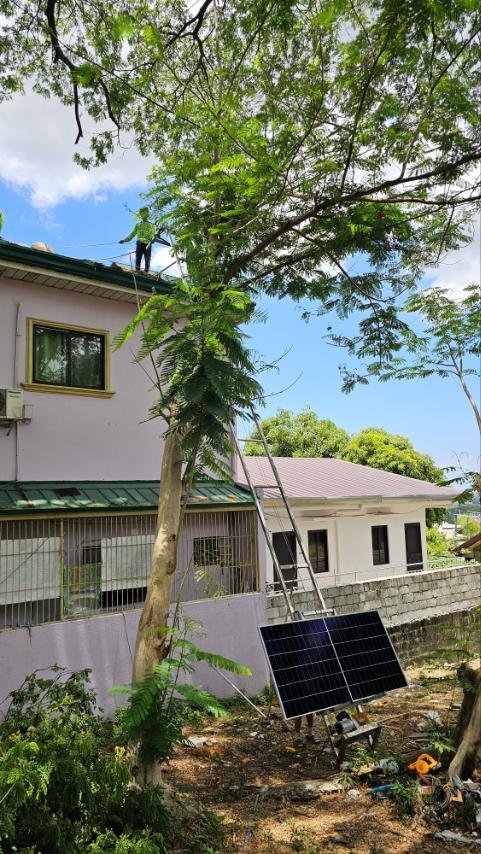
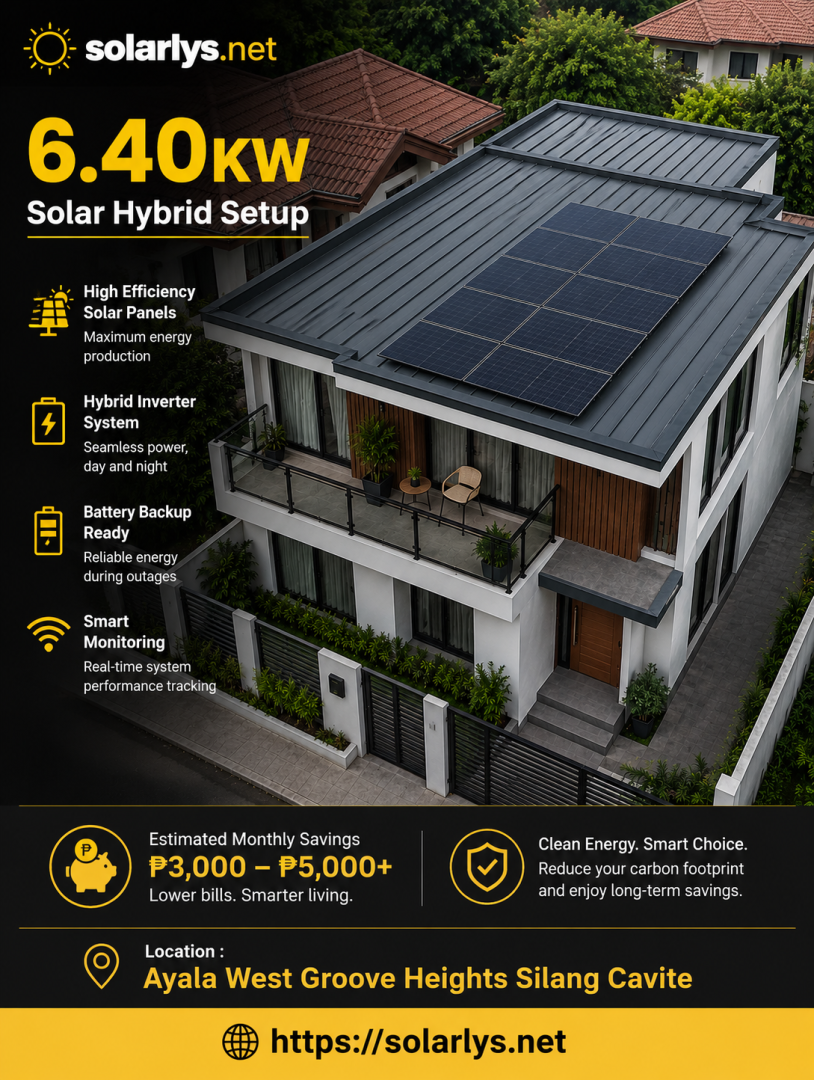
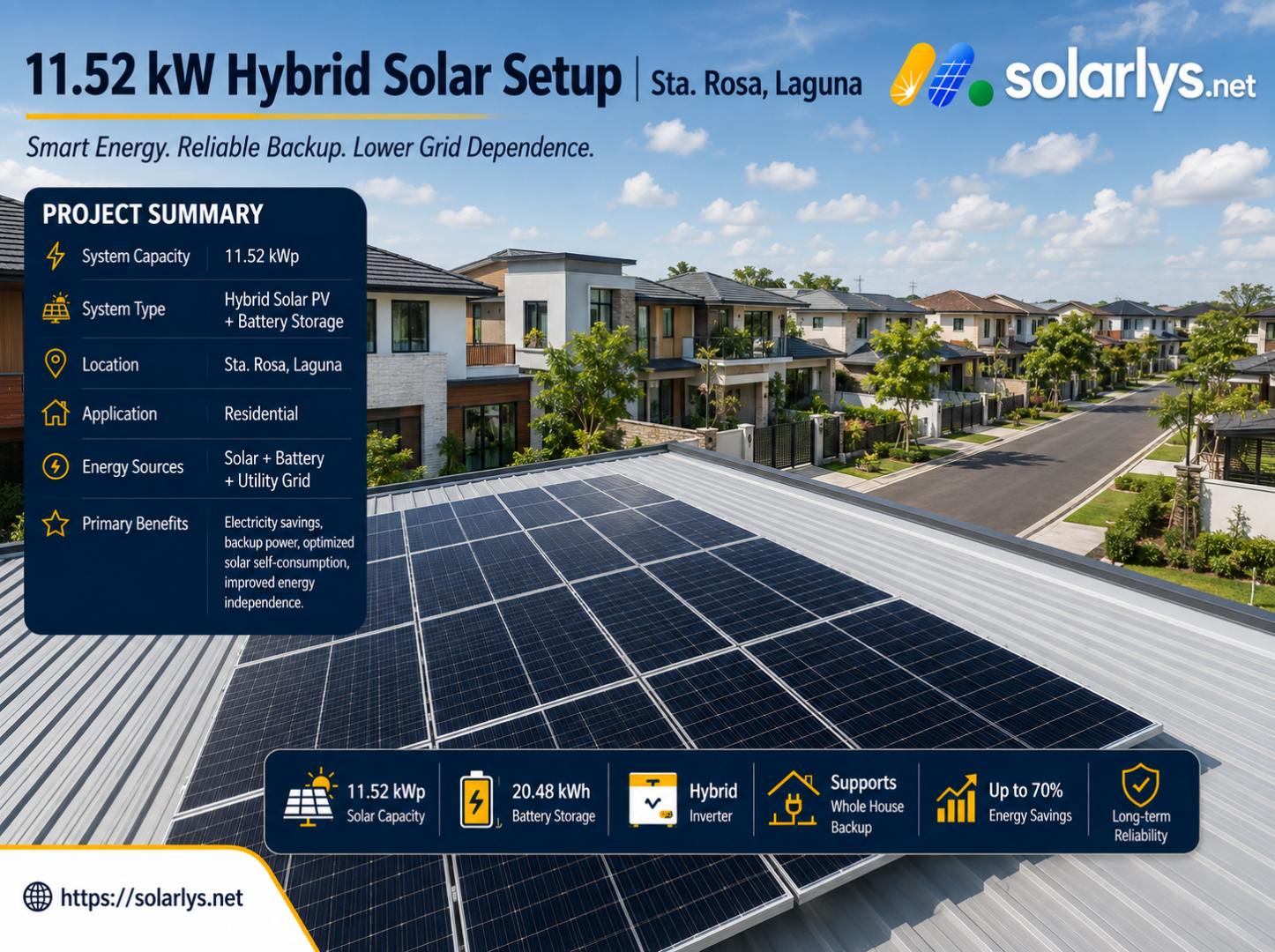
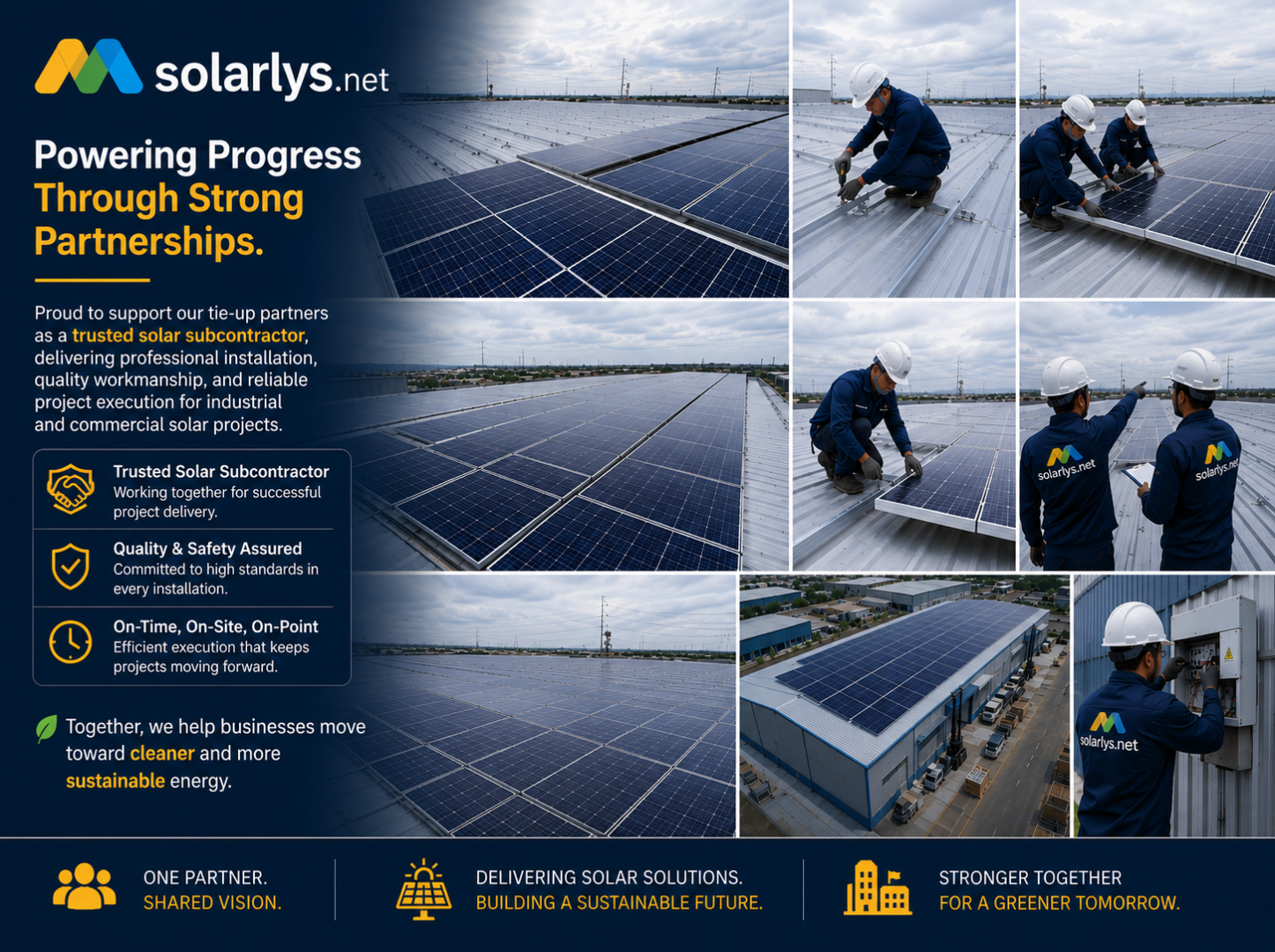
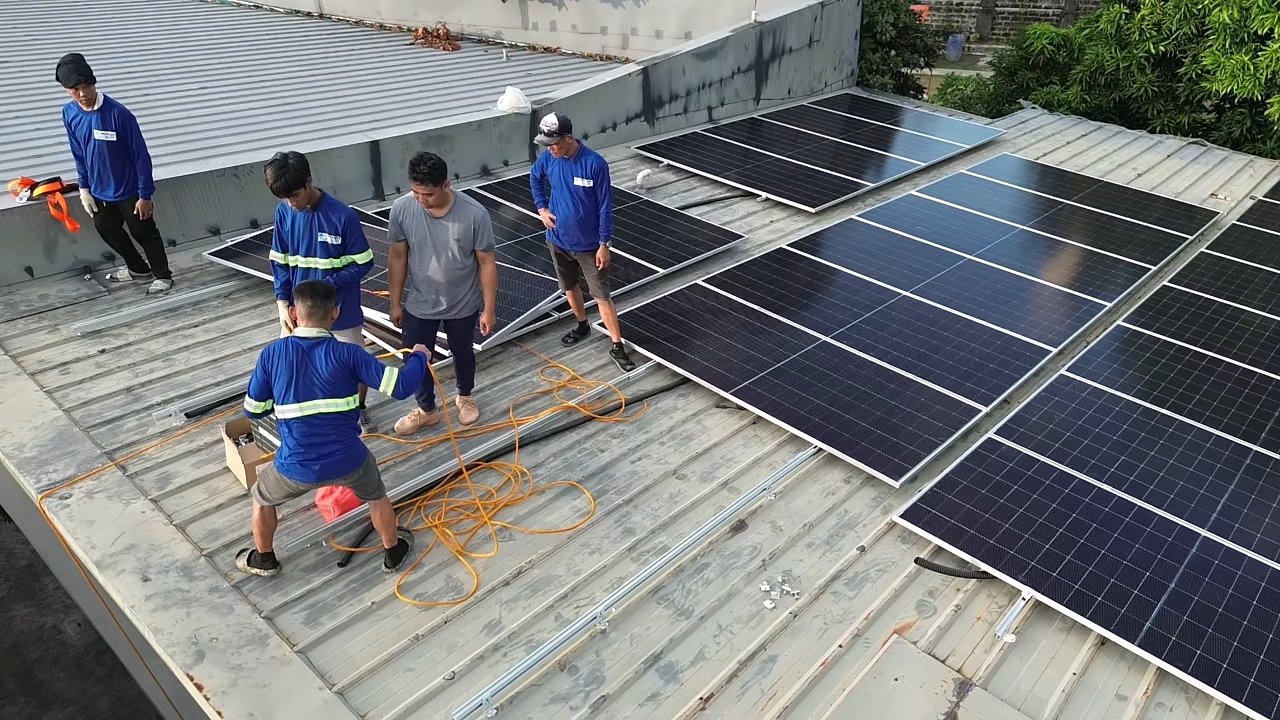
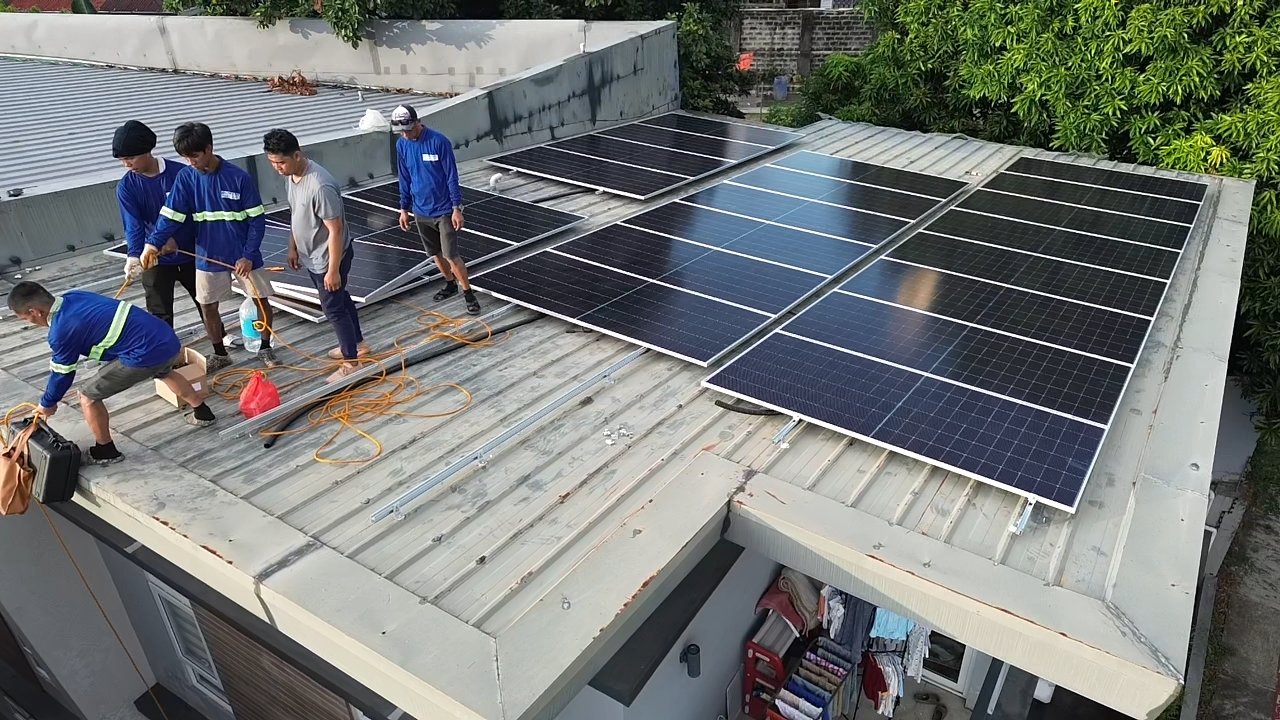
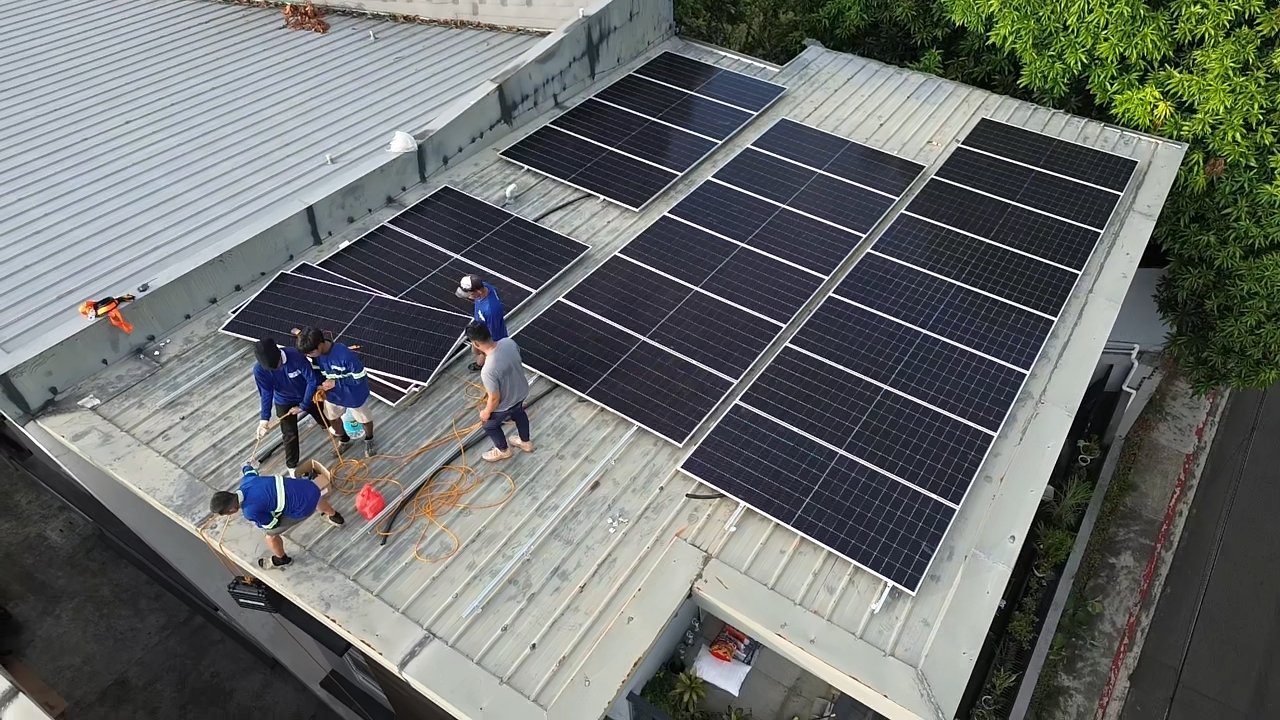
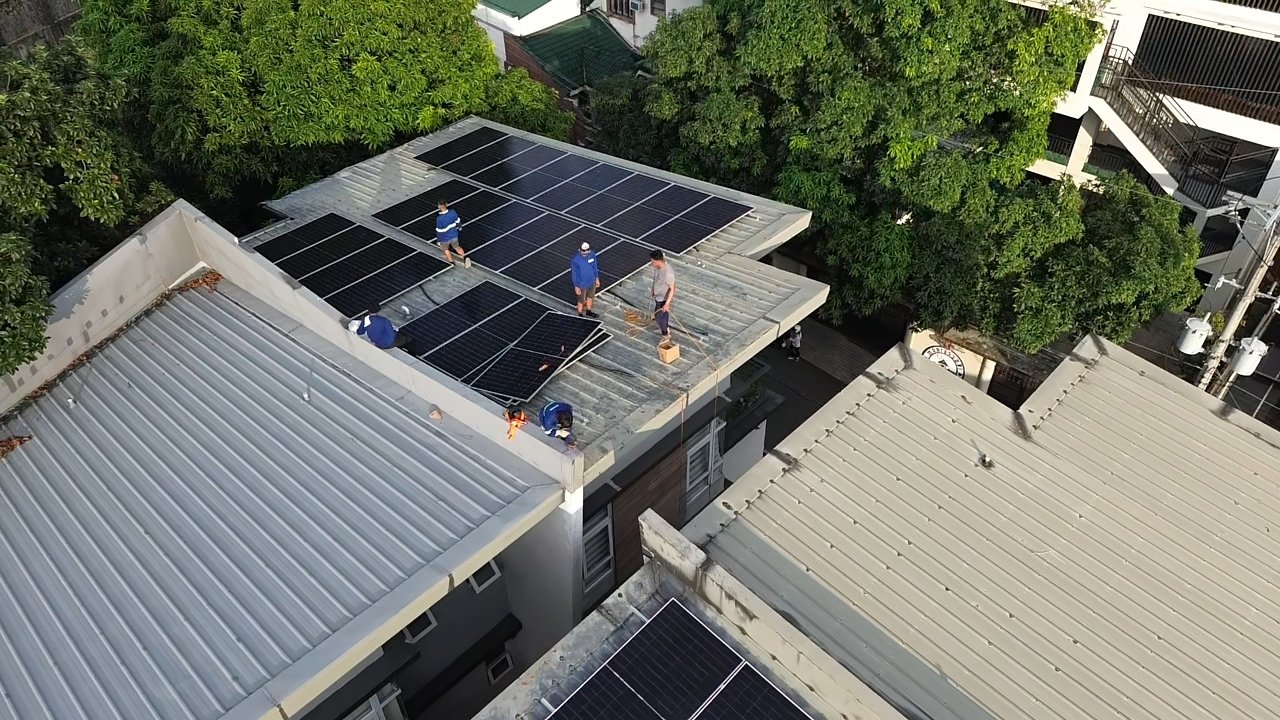
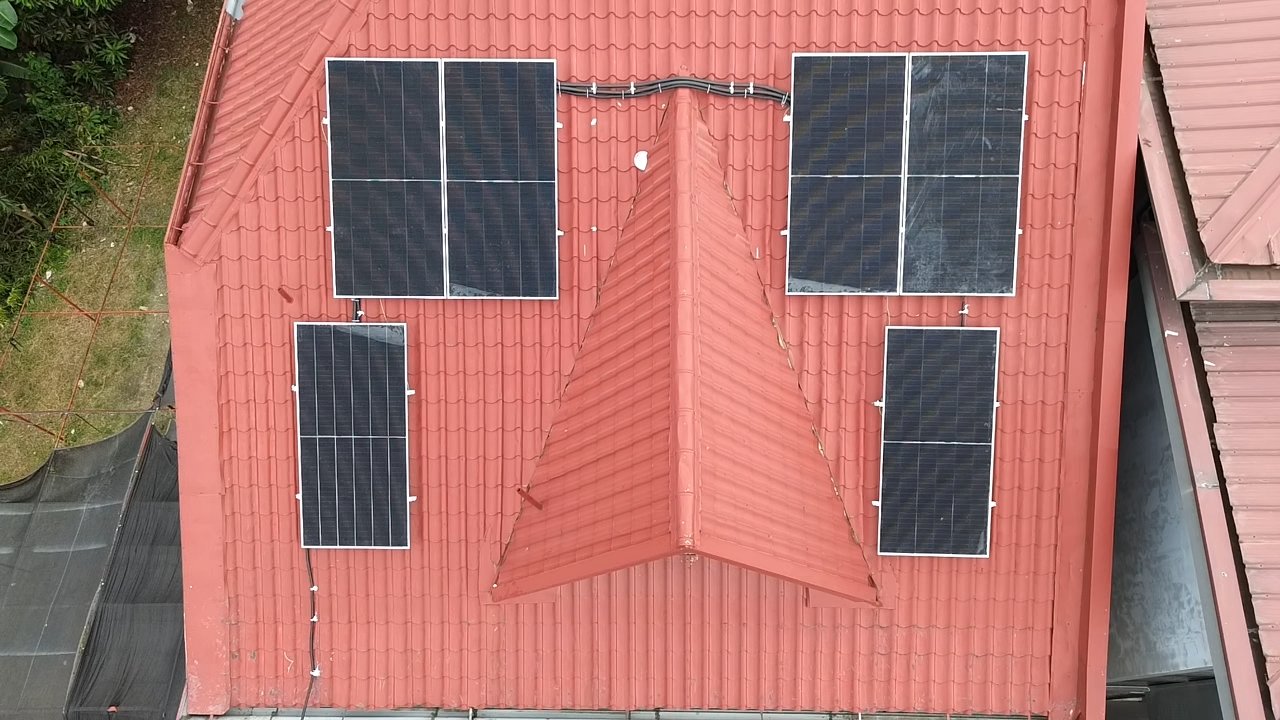
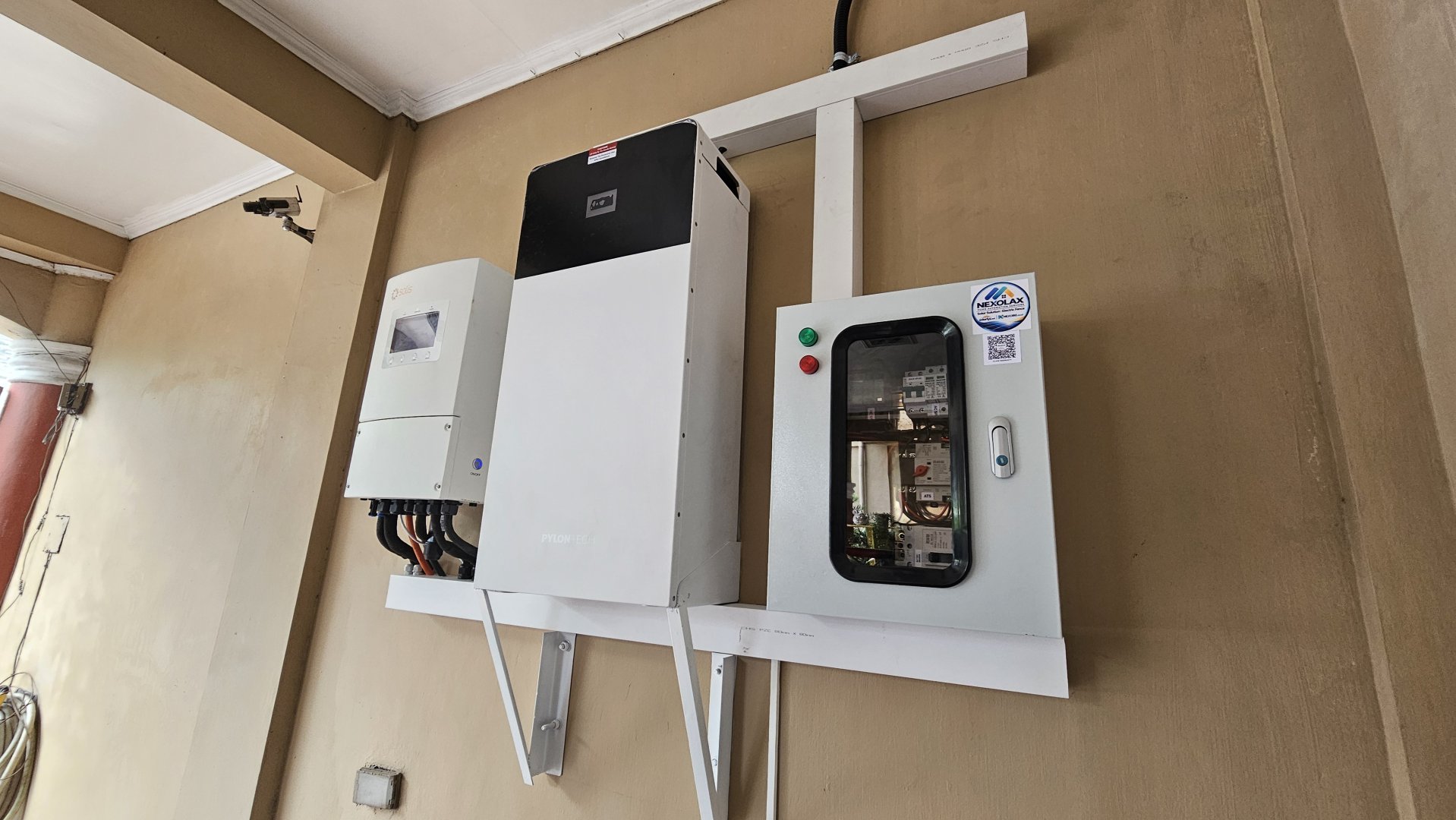
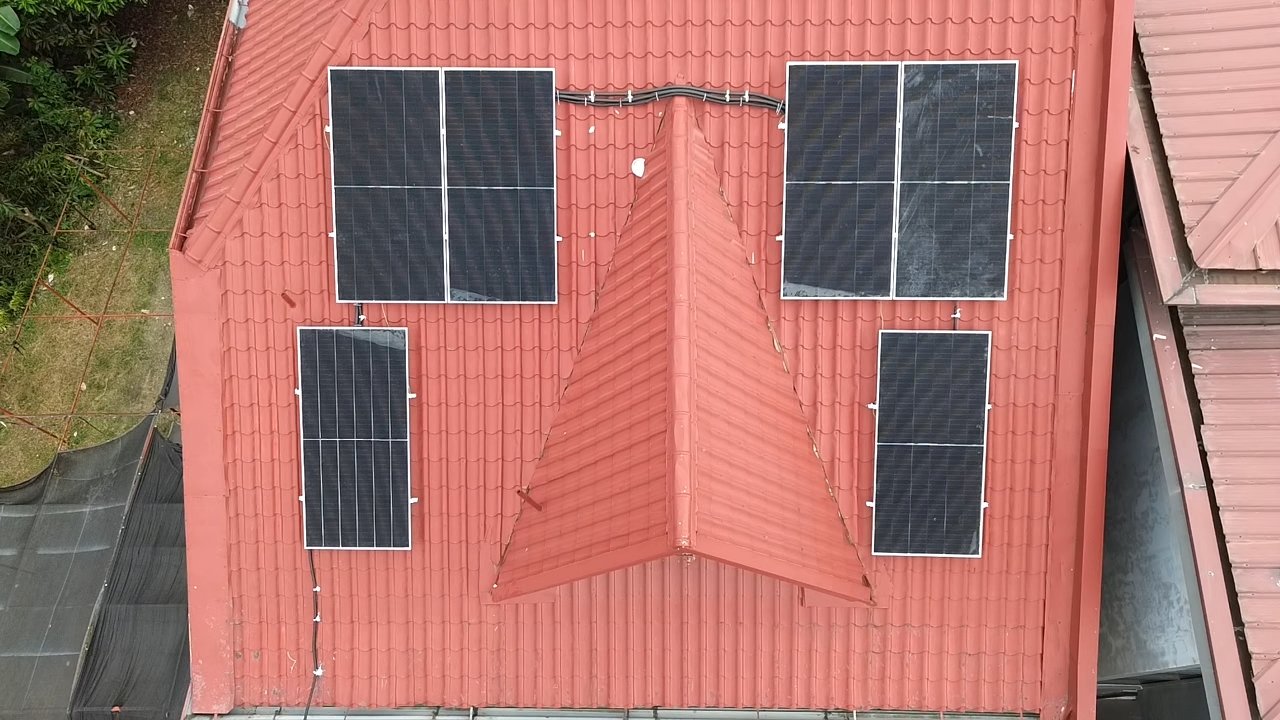
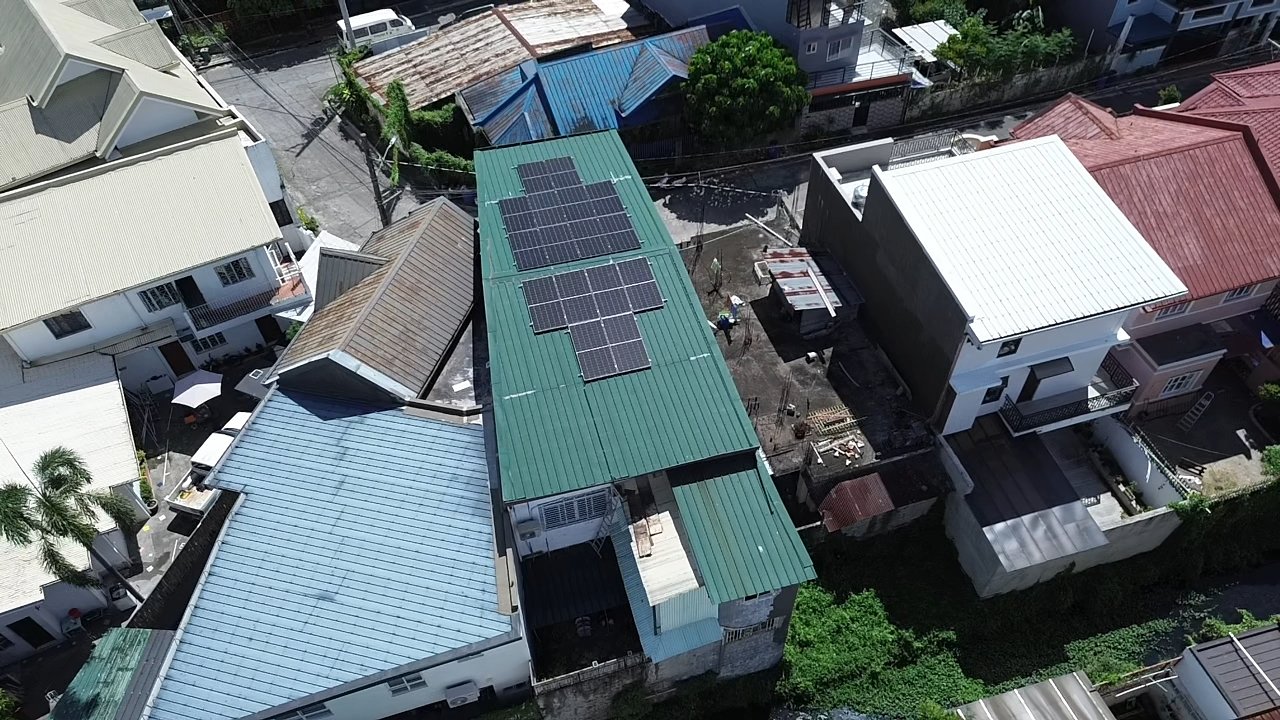
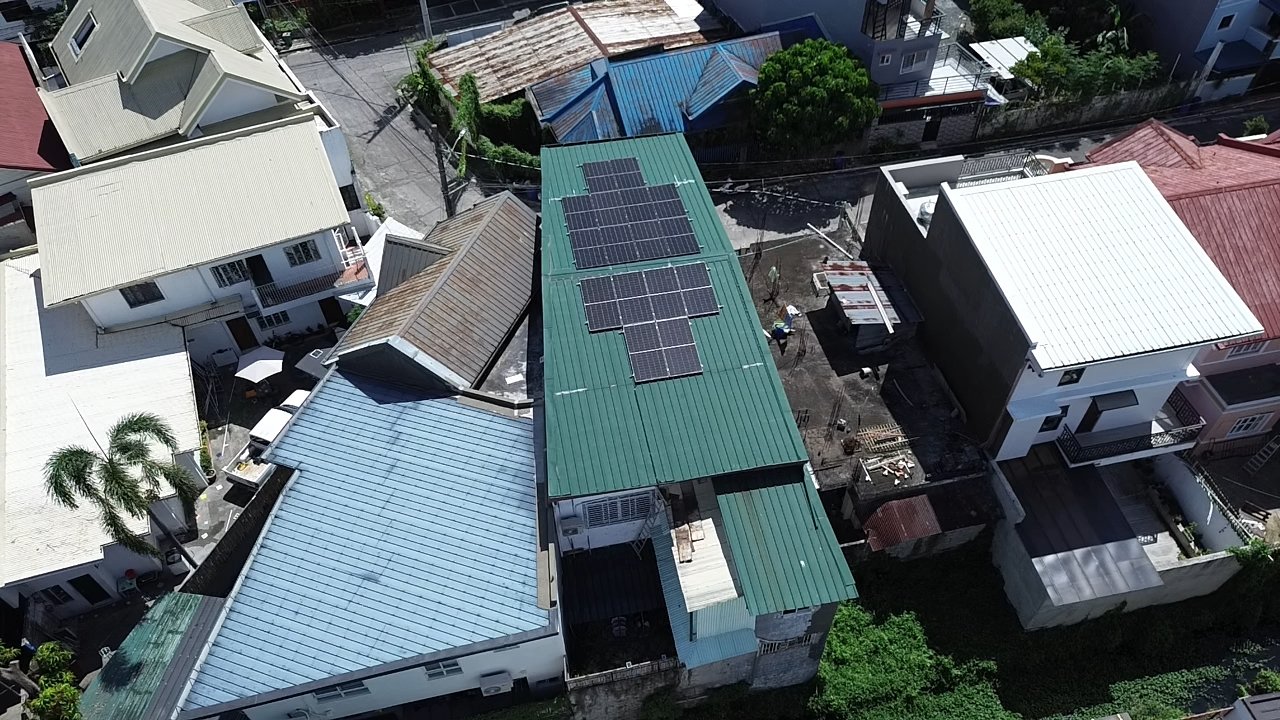
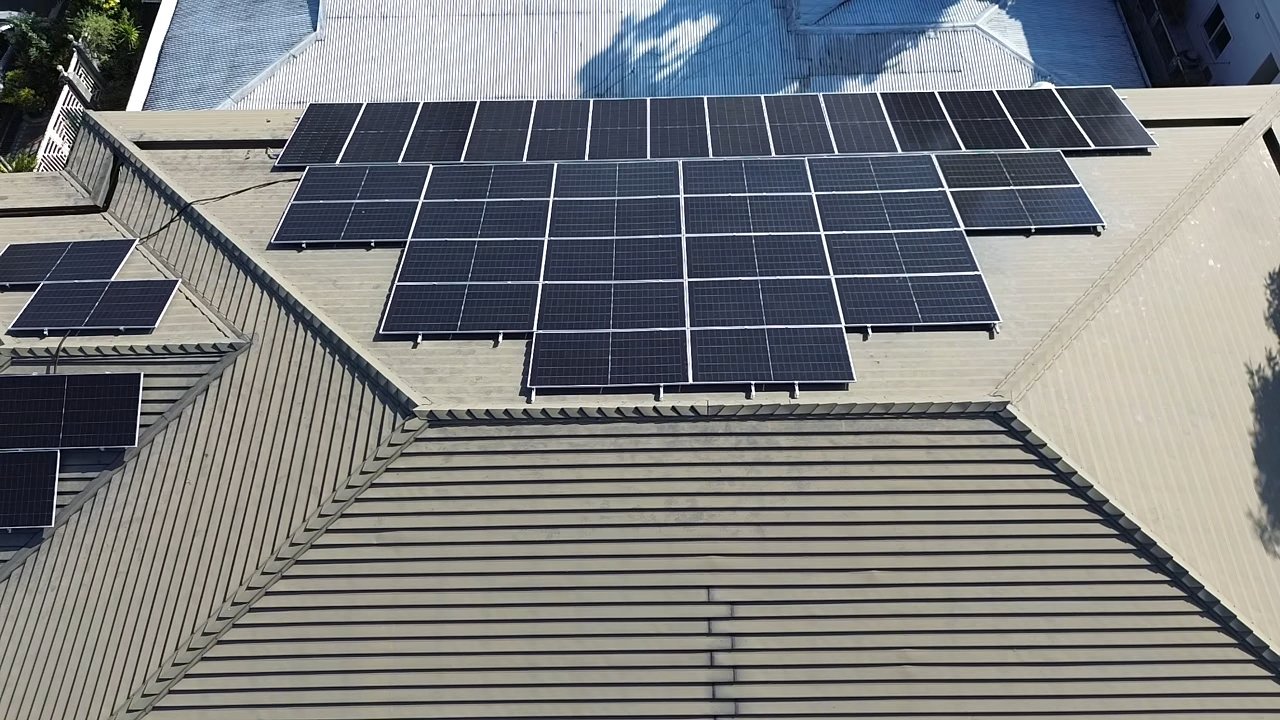
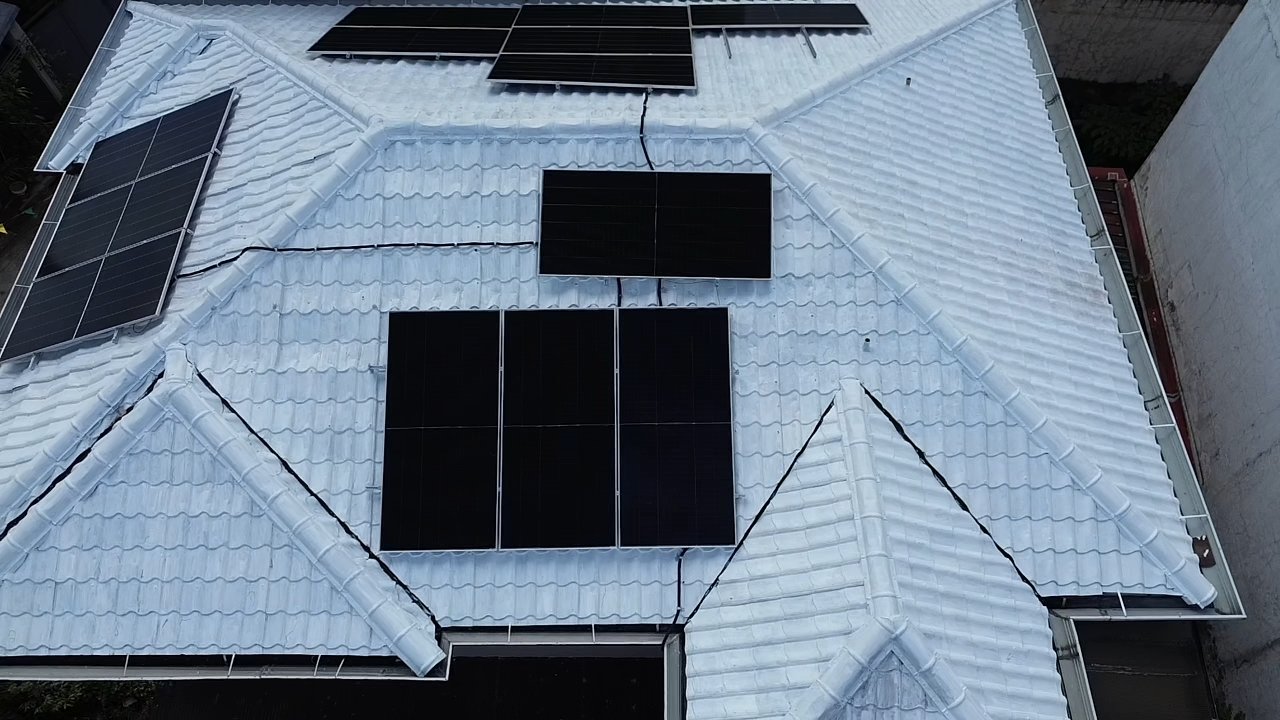
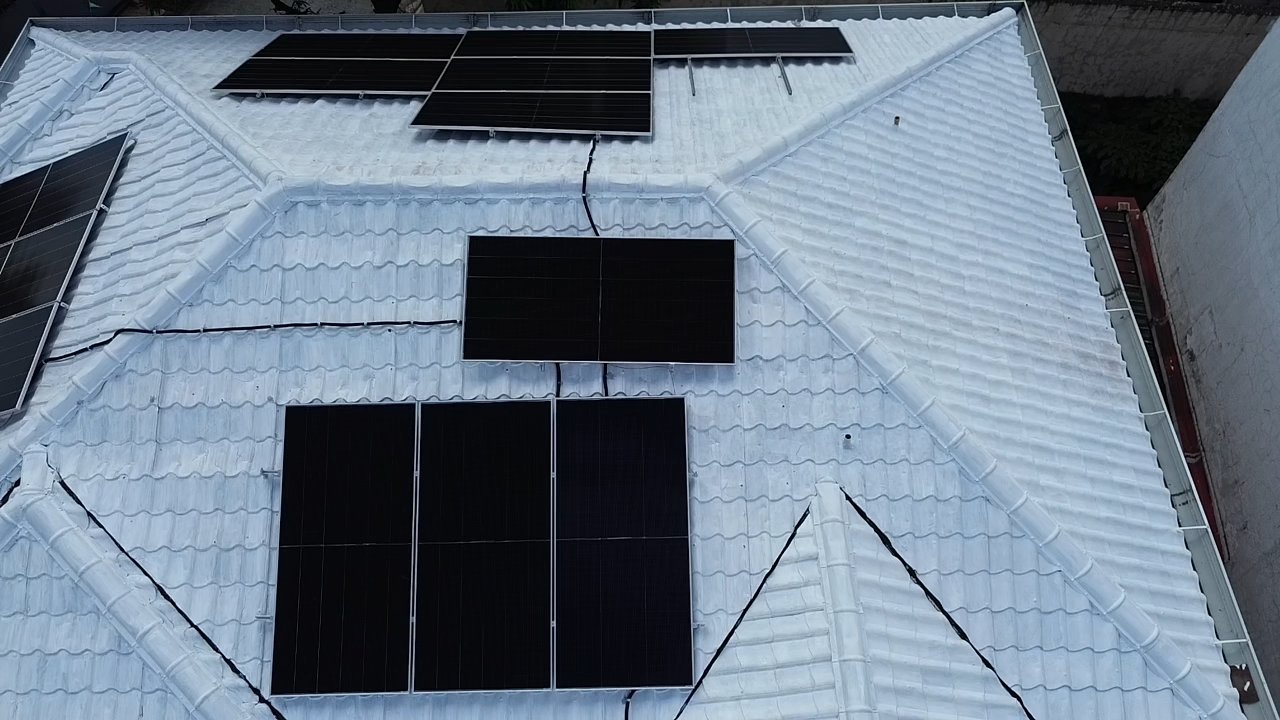
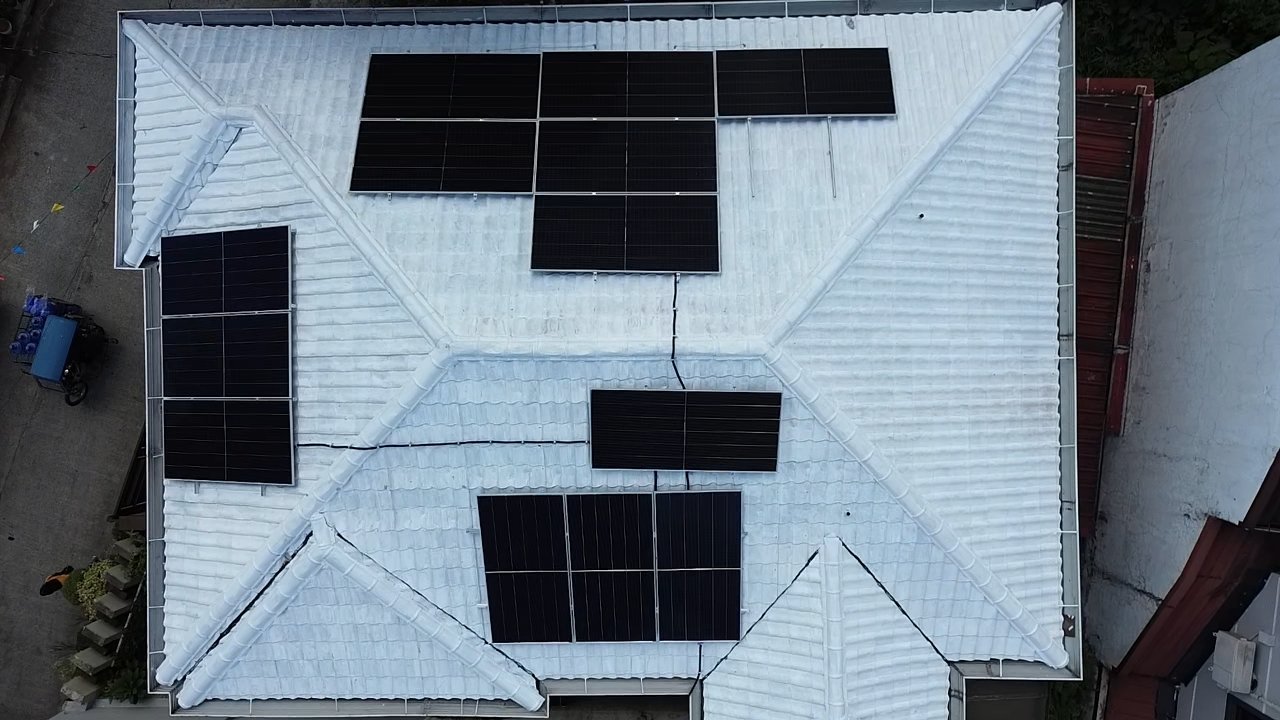
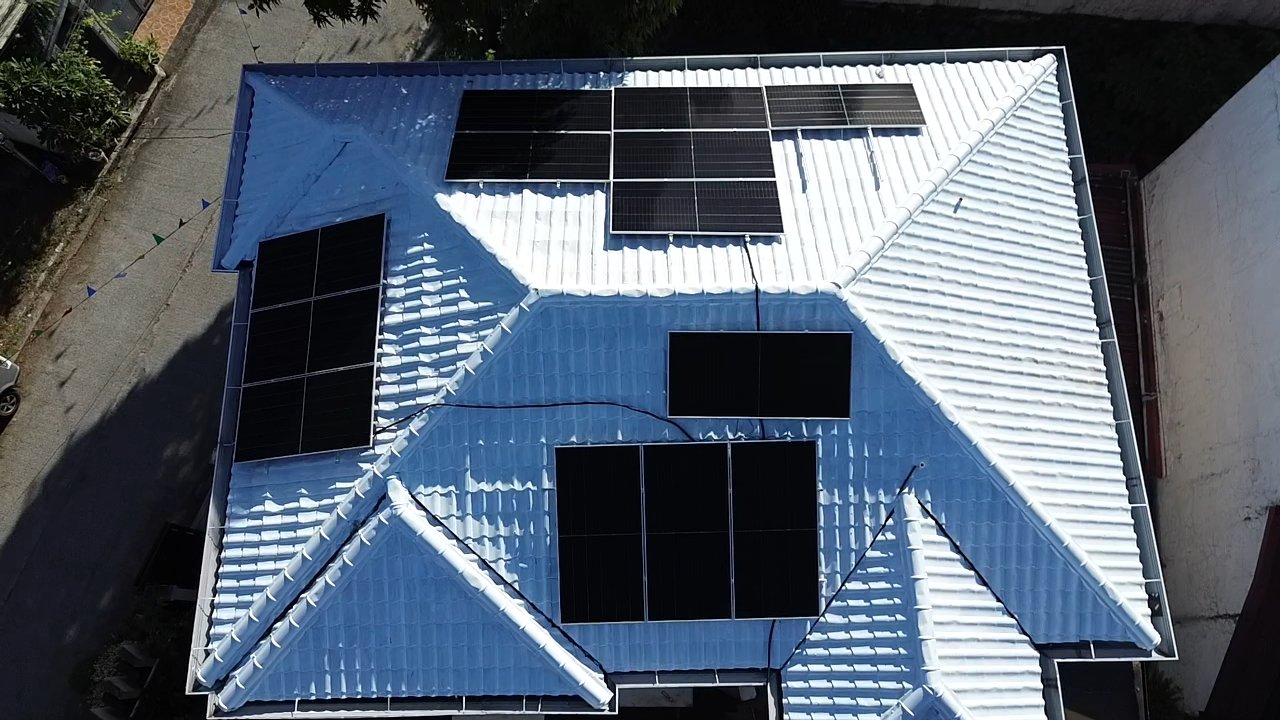
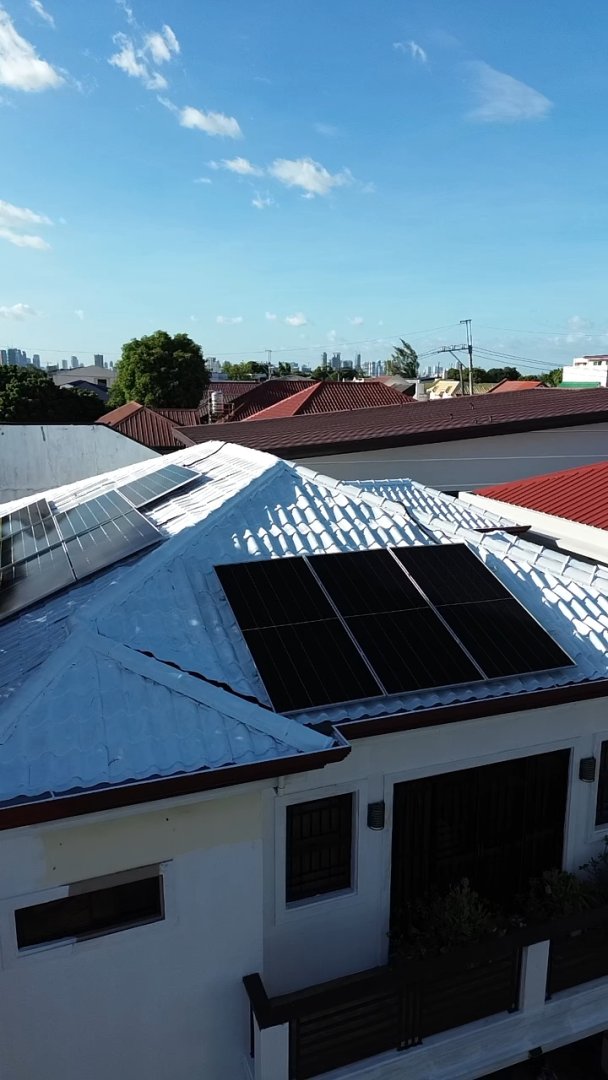
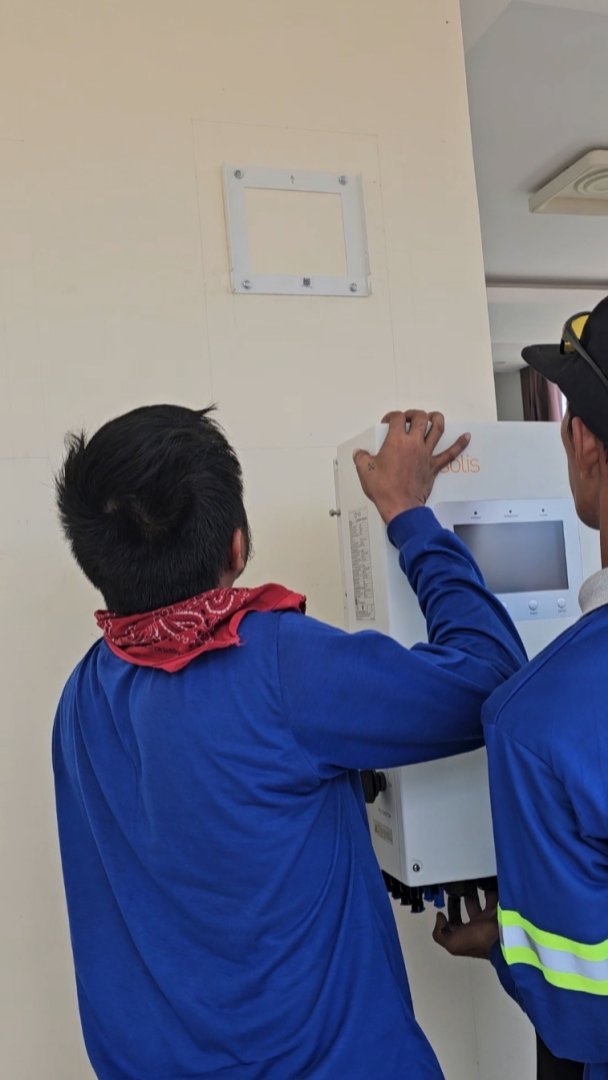
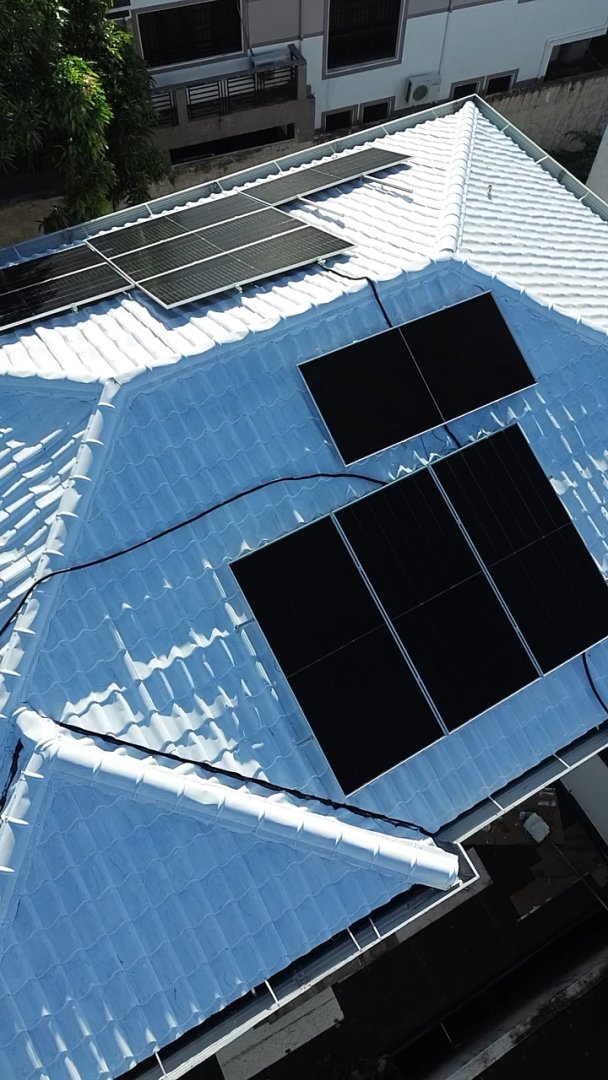
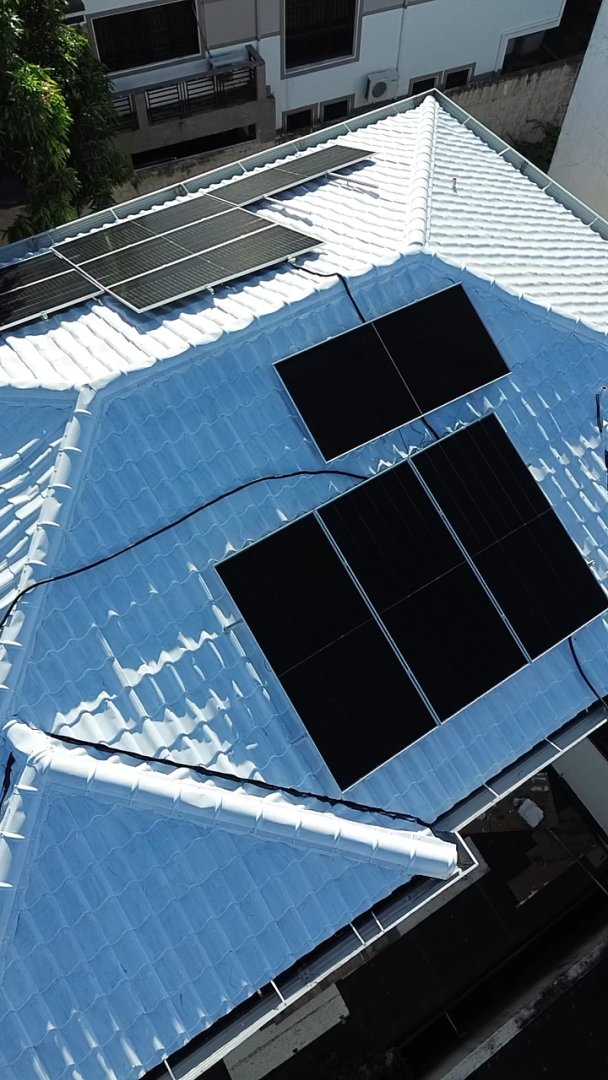
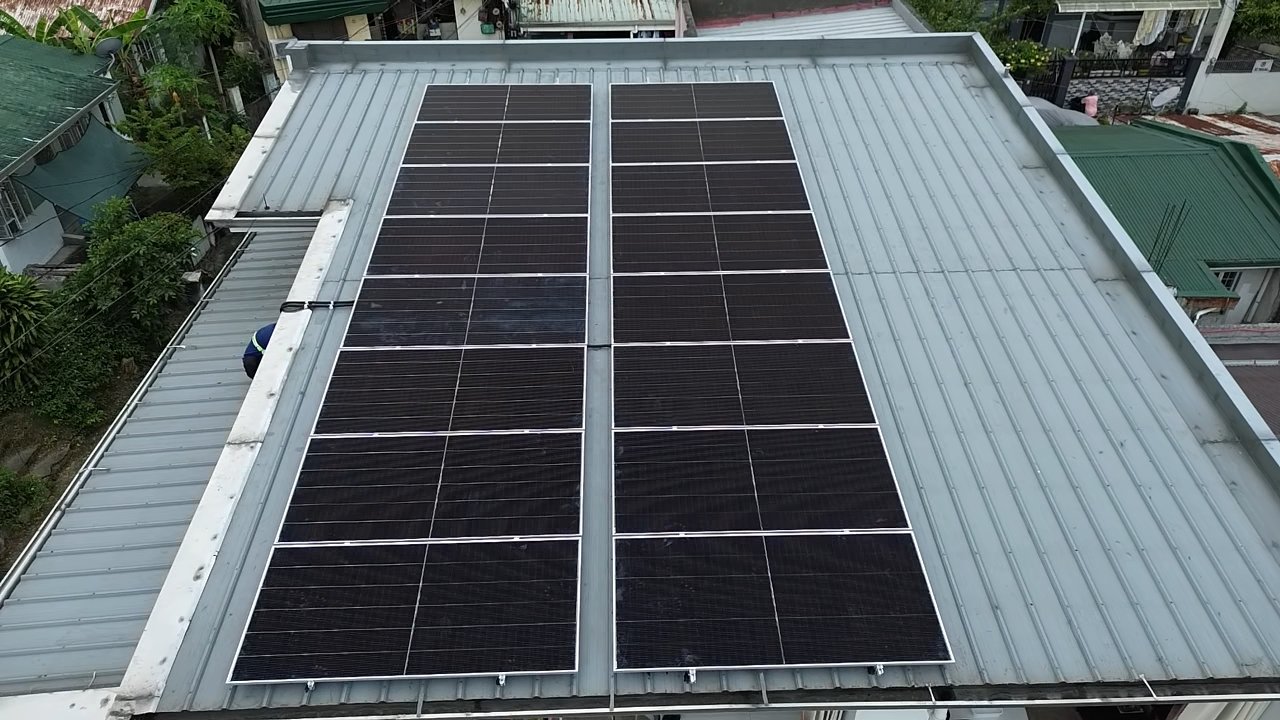
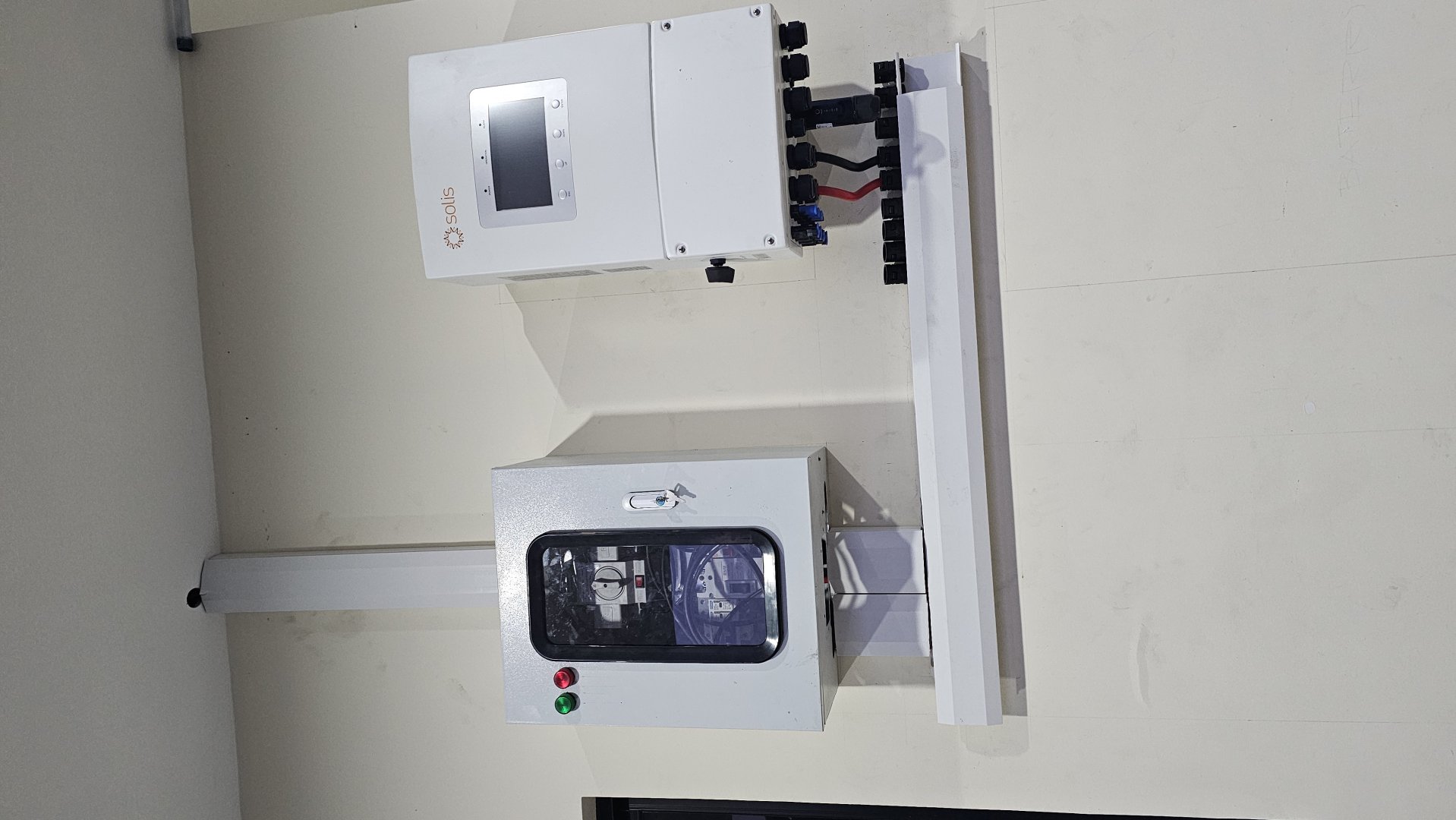
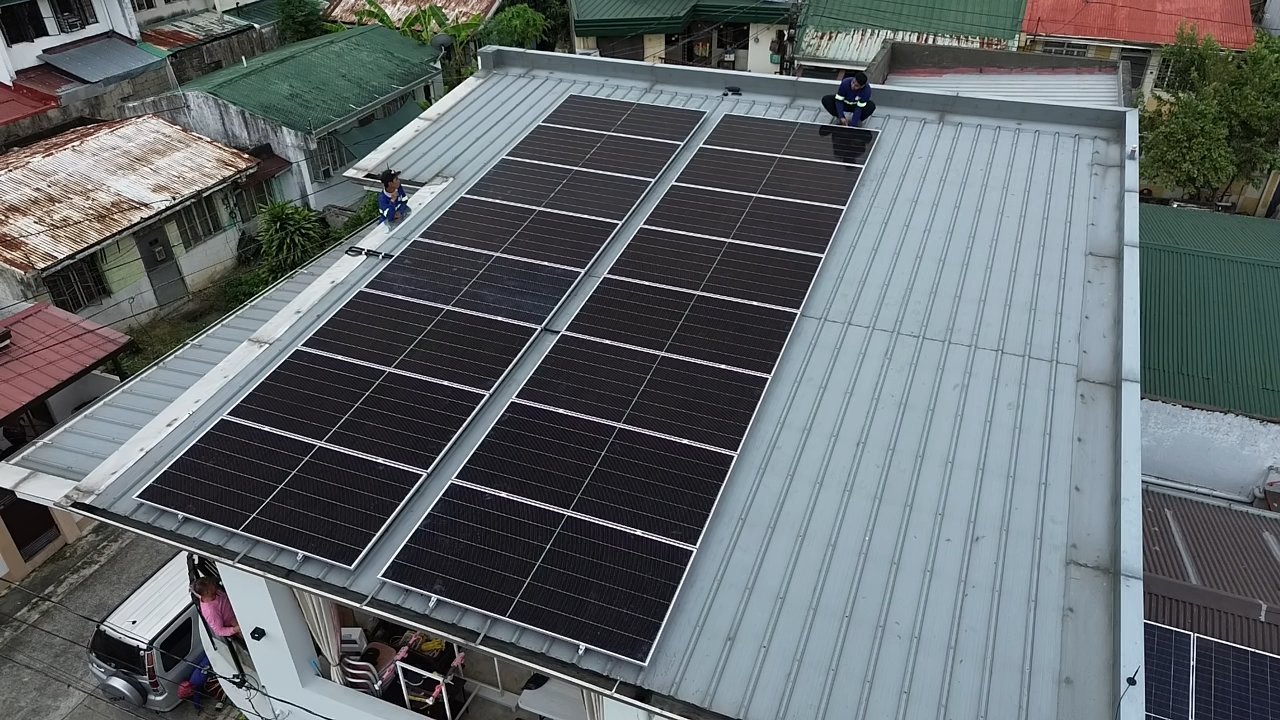
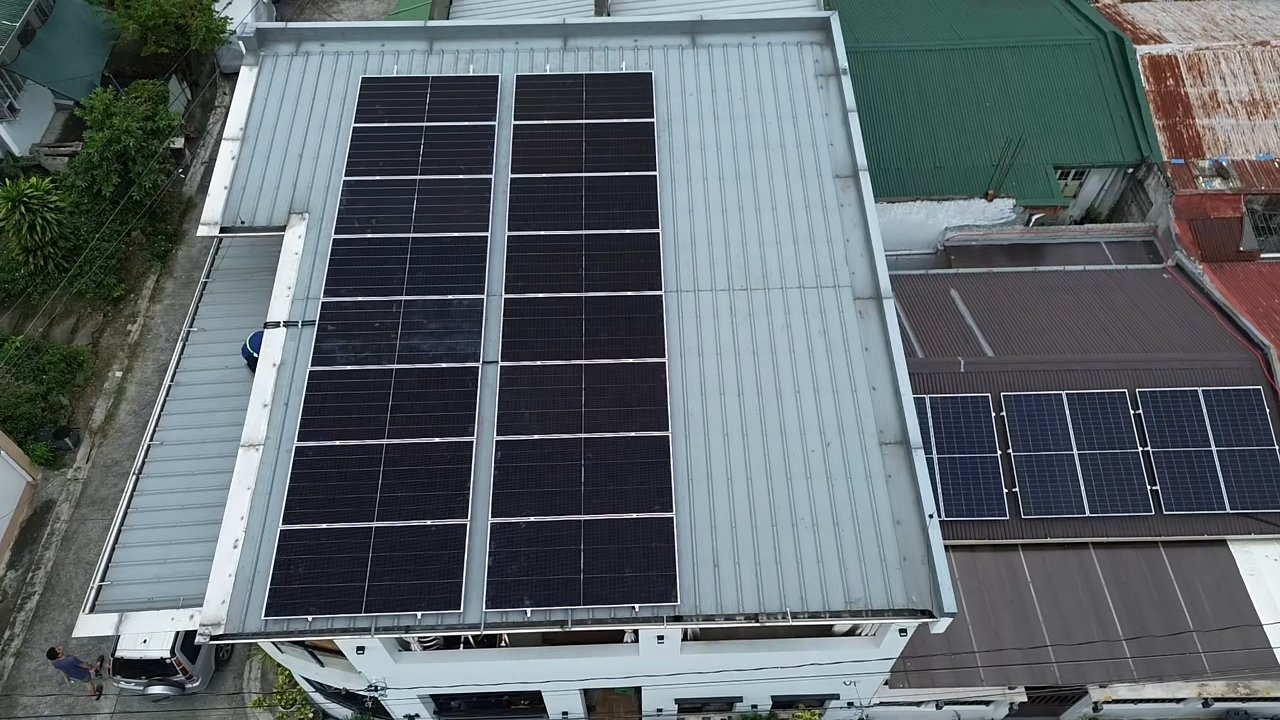
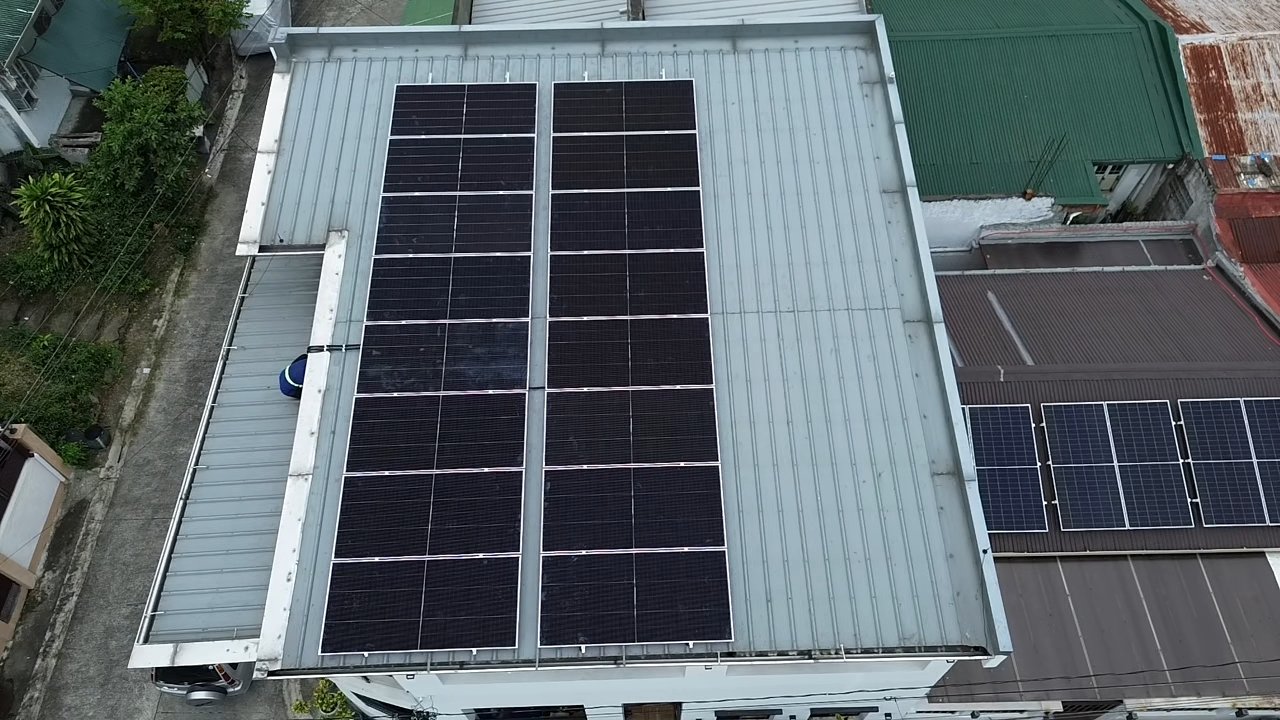
Solarlys specifies panels, inverters, and storage from established manufacturers when they fit the project. Relationships shown here are equipment we work with — not a claim of exclusive distribution unless confirmed in writing.
 Solis
Solar Inverters
Grid-tie and hybrid inverter technology used in Solarlys installations where the project specification calls for it.
 Pylontech
Lithium Battery Energy Storage
Lithium storage used in hybrid and backup designs when specified in the proposal.
 Dyness
Battery Energy Storage Systems
Lithium iron phosphate storage options for hybrid solar applications when selected for the site.
 Jinko Solar
Solar PV Modules
Photovoltaic modules used in residential, commercial, and industrial arrays when specified.
Support after commissioning is part of the Solarlys path. Exact warranty coverage depends on selected products, installation scope, and the official proposal.
Track system performance where monitoring is included in the project scope.
Coordinate professional assistance, inspections, and upkeep when needed.
Help customers navigate applicable product, system, and service warranty processes.
Keep a clear channel for service requests after the panels go up.
Help customers understand applicable manufacturer warranty coverage for selected components.
Keep service requests and support concerns routed through a clear customer channel.
Coordinate inspection and maintenance work based on actual project scope and system needs.
A disciplined process for homes, businesses, and industrial facilities, from consultation through monitoring and long-term support.
We clarify your property type, energy goals, current bill, and solar readiness.
Our team reviews roof, electrical, shade, and installation conditions before design.
Engineers prepare a solar layout, component plan, and a written quotation based on the site.
Professional installation by the project team according to the approved scope.
Testing, commissioning, and turnover before the system is handed over.
Monitoring, warranty guidance, and service coordination after commissioning, as included in the project scope.
Answers are practical and estimate-based because every project depends on real site and electricity data.
Cost depends on electricity usage, roof/site conditions, system size, equipment selection, installation complexity, and payment structure. A quote gives the most reliable answer.
Savings vary by consumption, solar generation, net metering eligibility, weather, utility rates, and system design. Estimates should be reviewed using actual bill and site data.
Solar may be suitable if your roof has usable space, good sun exposure, proper structure, and electrical readiness. A site assessment confirms fit.
Commercial solar can be valuable for offices, retail sites, warehouses, factories, schools, hotels, and other facilities with meaningful daytime energy use.
Standard grid-tied solar usually shuts down during outages for safety. Backup or battery options depend on system design and project scope.
Yes. Support can include monitoring assistance, troubleshooting, maintenance coordination, warranty guidance, and customer service channels.
Warranty coverage depends on the selected products, installation scope, and official company terms. Exact warranty details should be confirmed in the proposal.
A solar system may contribute to property appeal or value depending on system quality, ownership, market factors, energy costs, and buyer priorities. It should not be treated as a guaranteed increase.
Use the quote flow for a site-based proposal, or send an inquiry below. The Solar Builder and Marketplace catalog stay available when you want to configure equipment.
Managing a solar renewable energy project involves a structured and phased process
It can become an investment in your property and your energy future, depending on system size, usage, financing, property conditions, and market factors.
Energy remains a recurring cost with limited control over future rate changes.
The roof becomes part of the property's energy infrastructure.
Solar may add productive energy capacity to the property without guaranteeing a fixed financial result.
Residential and commercial projects have different goals, economics, and support needs.
From first design to future service requests, the goal is a system customers can understand, maintain, and rely on.
Solar economics should be based on real consumption, current electricity costs, system size, expected generation, project cost, and payment structure.
Start with how much energy the home or business actually uses.
Review the current bill and how costs may change over time.
Estimate a solar design based on roof, load profile, and site conditions.
Understand equipment, installation, documentation, and service scope.
Factor in cash purchase, staged payment, or financing where applicable.
Model possible long-term savings without guaranteeing a fixed financial result.
A solar system can become a productive energy asset attached to the property. It should never be treated as a guaranteed increase in property value.
Tell us if you are planning for a home, business, or larger facility. The next step is a practical solar discussion based on your actual electricity needs and property conditions.
+639274650003
account@solarlys.net
2c 2nd Flr. Prime Sewing Machine Rizal Ave. Brgy. San Juan
011-012-069-000
